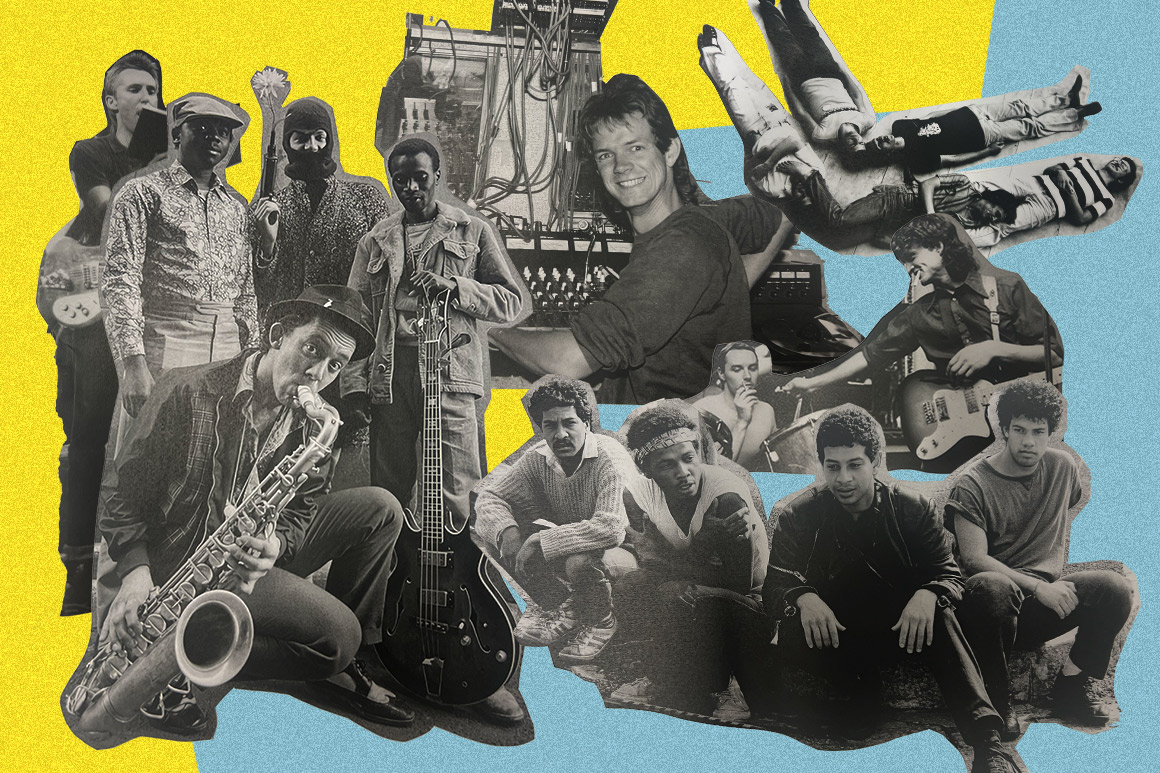
When resistance intensifies, music often becomes a political act.
As it did then. In South Africa.
Until the 1990s, the country was governed by a racist system that largely disenfranchised the Black population – the so-called apartheid.
After the Sharpeville massacre on 21 March 1960, when police opened fire on peaceful demonstrators and killed many, numerous musicians left the country, among them Miriam Makeba, Abdullah Ibrahim alias Dollar Brand and Hugh Masekela. They continued their work in exile. Yet resistance also took shape within the country itself. Rock, punk and new wave gained popularity, and Black artists raised their voices as well.
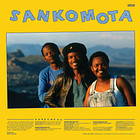
Shifty Records stood at the centre of these developments. Its catalogue forms a compelling archive of the social transformation that ultimately culminated in Nelson Mandela’s release in 1990, the abolition of the race laws and the first democratic elections in 1994.
»When I started playing in Johannesburg, I realised there were many young bands coming out of the new wave movement who were singing about what was going on. It had the same energy as early punk. That was my main motivation for starting to record, because nobody was recording these bands – because of the lyrics«, recalls documentary filmmaker, musician and producer Lloyd Ross. Together with Ivan Kadey, guitarist of National Wake, he founded Shifty Records.
From a Bicycle Shop to the World
The apartheid regime viewed these developments critically, recognising the subversive force of the arts. Anything intended for radio broadcast had to be submitted in advance. »A lot of the things we submitted didn’t make it past the censors. Unless we changed a word or two – which we very rarely did«, Ross remembers. If a song nevertheless entered rotation, banned tracks were physically scratched so they could no longer be played. »If you go into the SABC [South African Broadcasting Corporation] archives today, you still find these records where they scratched a track with a sharp object.«
Shifty Records’ first release did not come from South Africa. Sankomota hailed from Lesotho, a landlocked country entirely surrounded by South Africa. In songs such as »Madhouse« or »Uhuru« (Swahili for freedom), they addressed the political situation in the region with little disguise – and in several languages. A direct affront to apartheid ideology, which promoted ethnic and cultural separation.
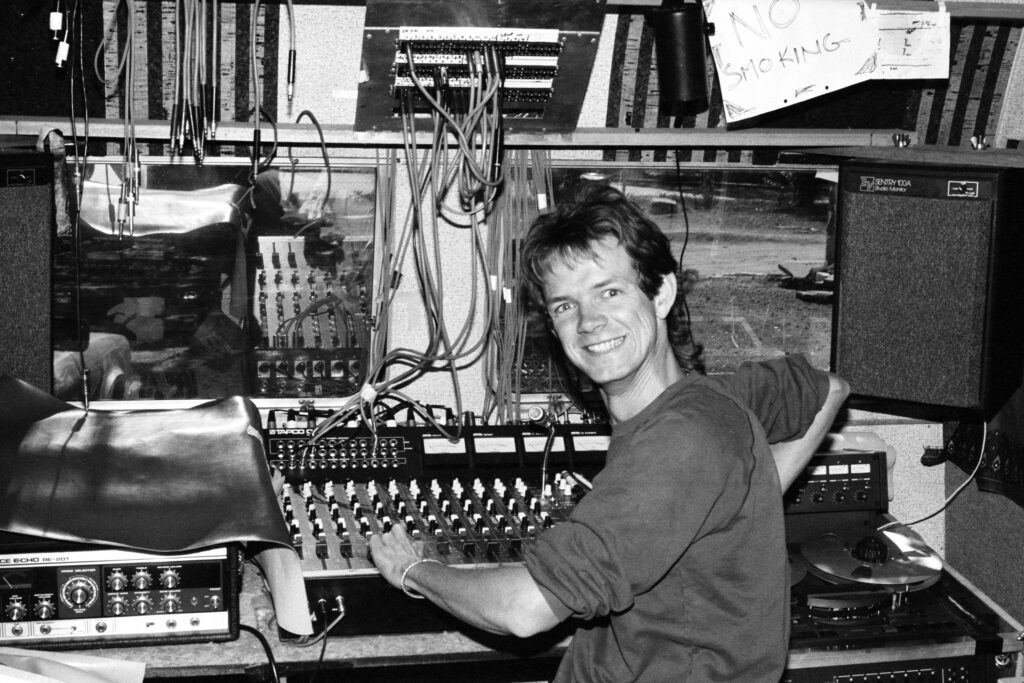
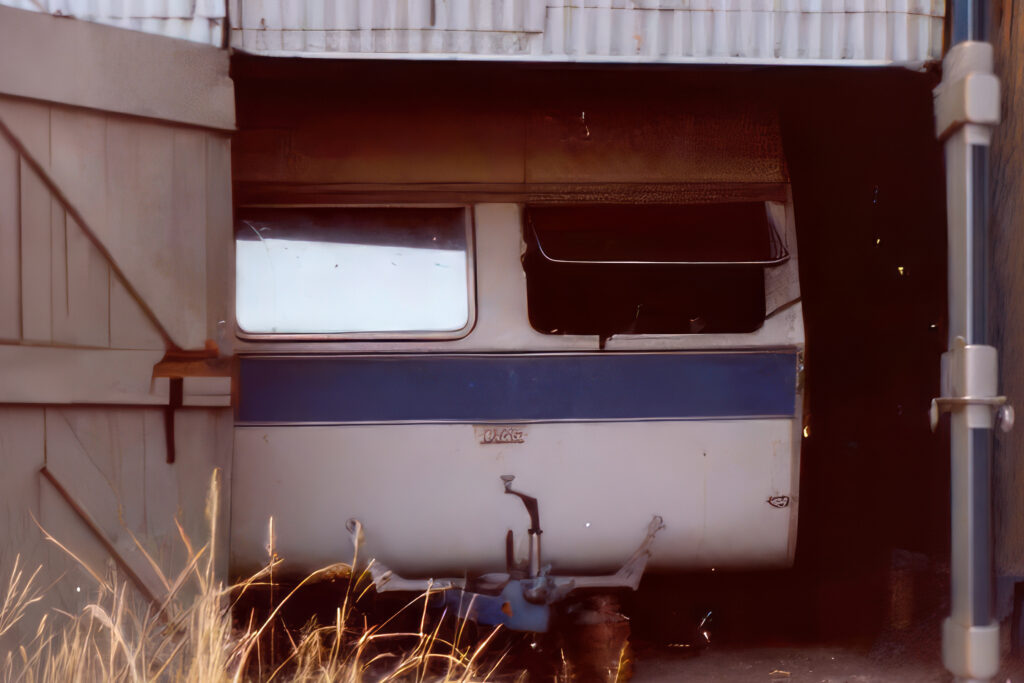
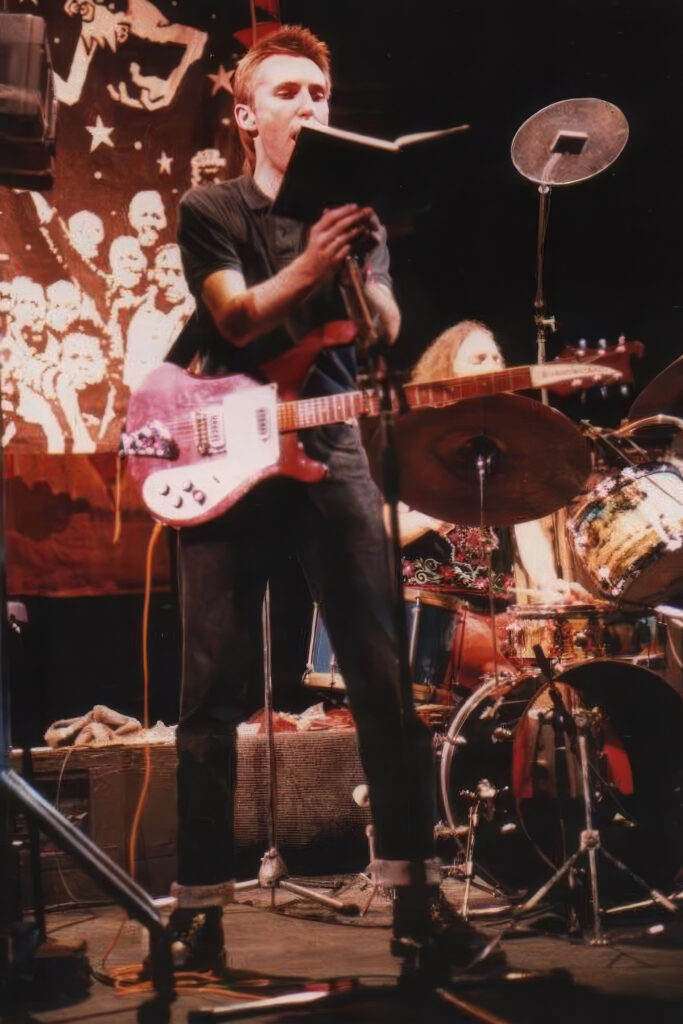
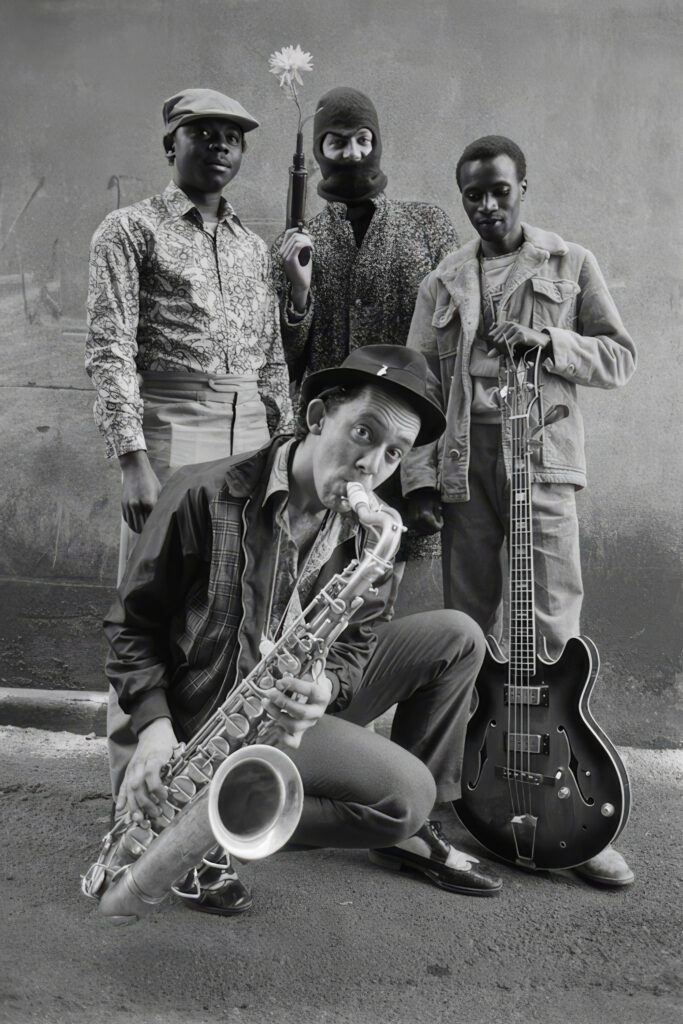
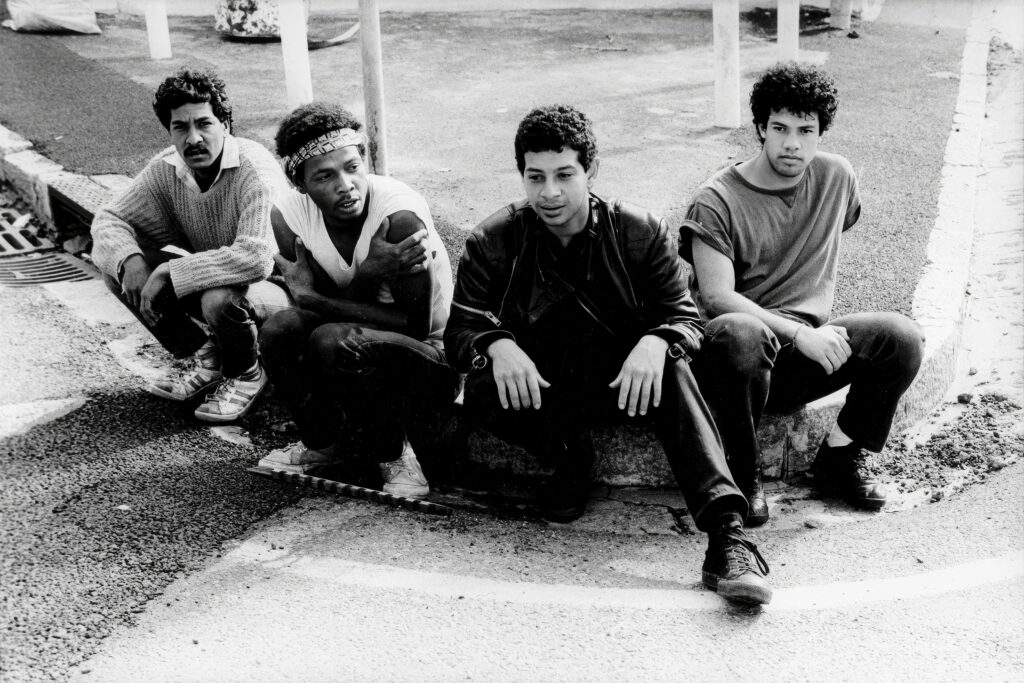
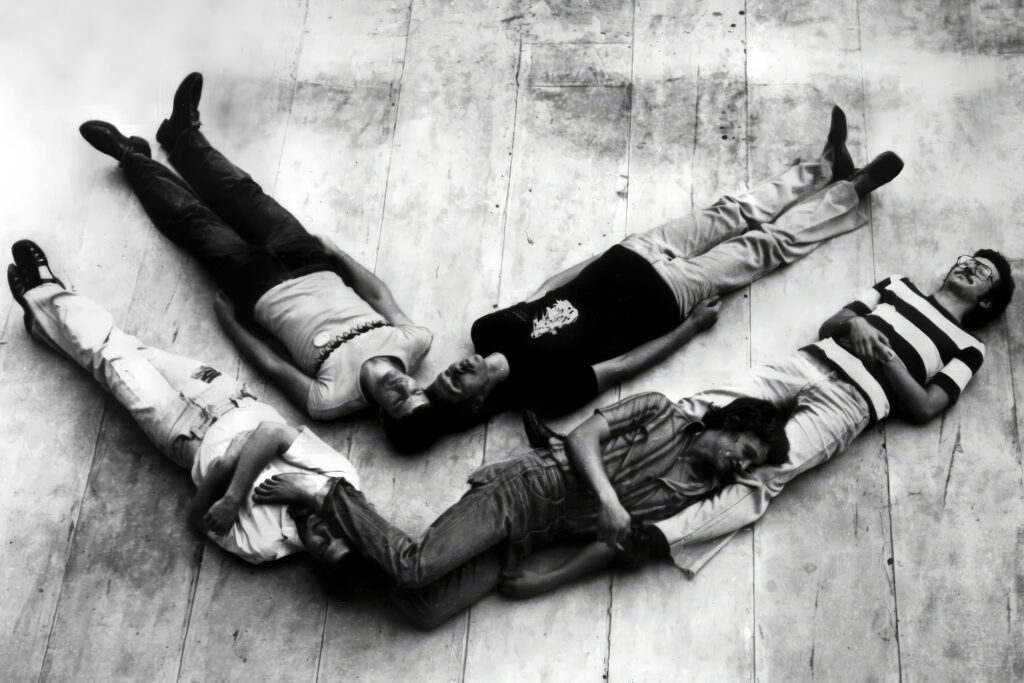
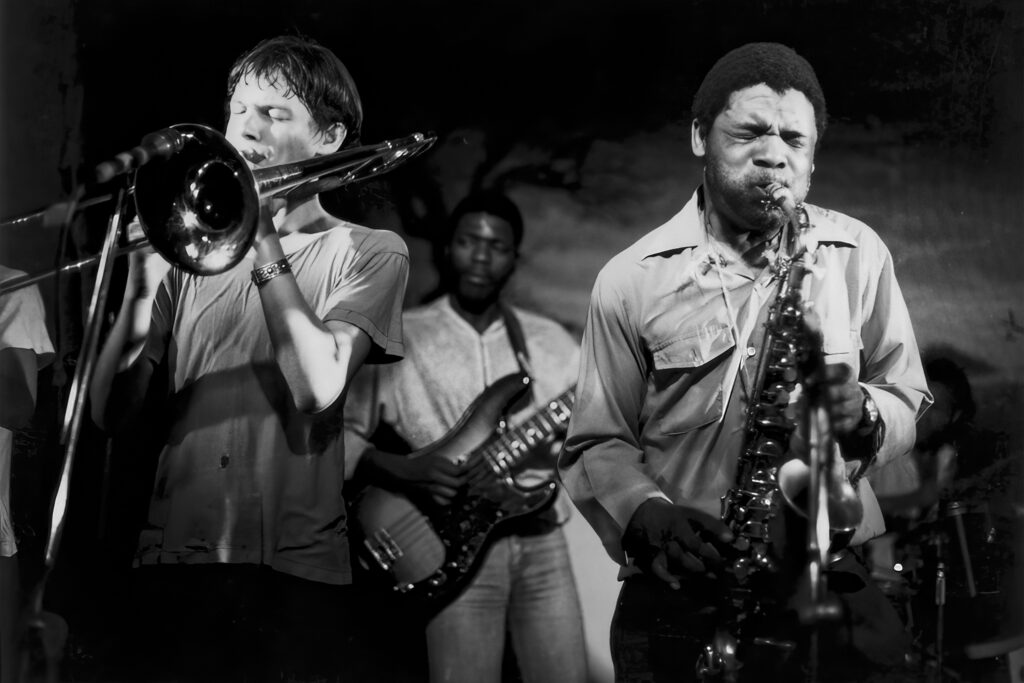
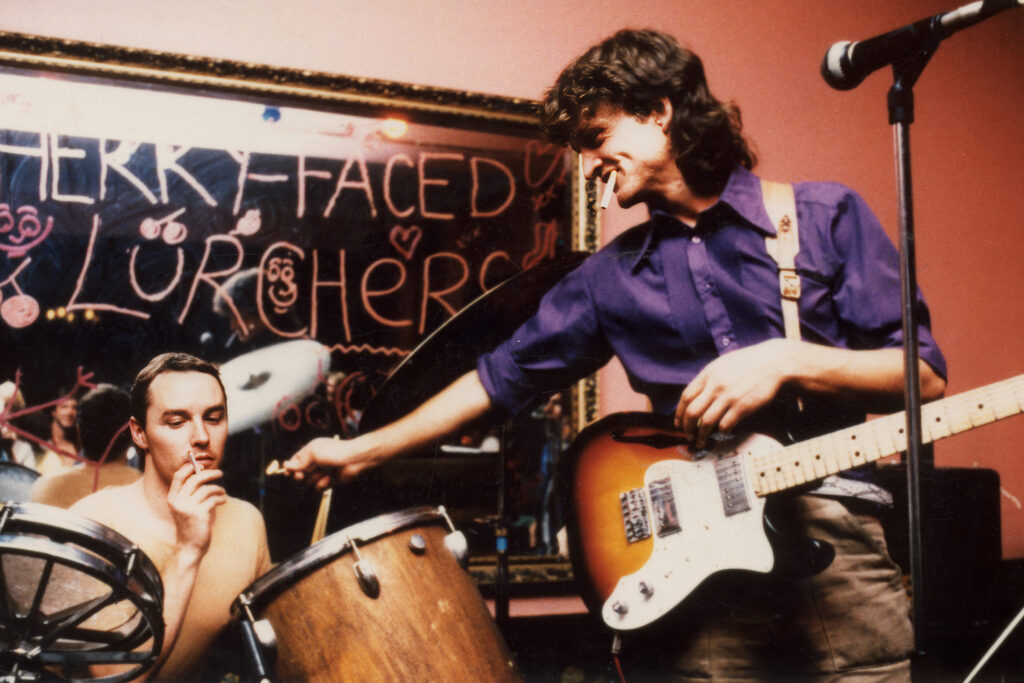
After Sankomota performed in South Africa in the late 1970s – then still under the name Uhuru – the police arrested almost all members of the band. They were subsequently barred from entering the country. In November 1983, Ross travelled to Lesotho with Warrick Sony to record the group using an improvised mobile studio. The self-titled debut, released in 1984, became the first of nearly 60 albums in the Shifty catalogue. Stylistically, the spectrum ranged from ska- and funk-inflected punk to Rhythm & Blues, experimental sketches and satirical pseudo-country songs. What held it together was a spirit of resistance.
To circumvent censorship, Shifty Records resorted to creative distribution methods.
An album by the poet Mzwakhe Mbuli appeared as an unlabelled cassette, sold in bicycle shops. A release by the performance group Koos was distributed in brown paper sandwich bags. Even informal attempts at censorship – for instance by domestic pressing plants – could be sidestepped by pressing albums abroad and re-importing them.
»If you go to the archive today, you’ll still find those records where they scratched a track with a sharp object.«
Lloyd Ross
After 1989, the political conditions began to change. And with them the role of Shifty Records. Releases continued, in part via BMG, but the independent energy of defiance that had defined the label’s early years naturally subsided. Lloyd Ross increasingly focused on filmmaking.
Now these historical productions are being reissued. Sankomota’s debut has already reappeared, followed by the compilation Shifty 80s – In Defiance of the Apartheid, featuring extensive liner notes and lyrics. Further reissues have been announced. It is time to revisit this chapter of South African music history – as a document of a sound forged under repression and one that has lost none of its urgency.