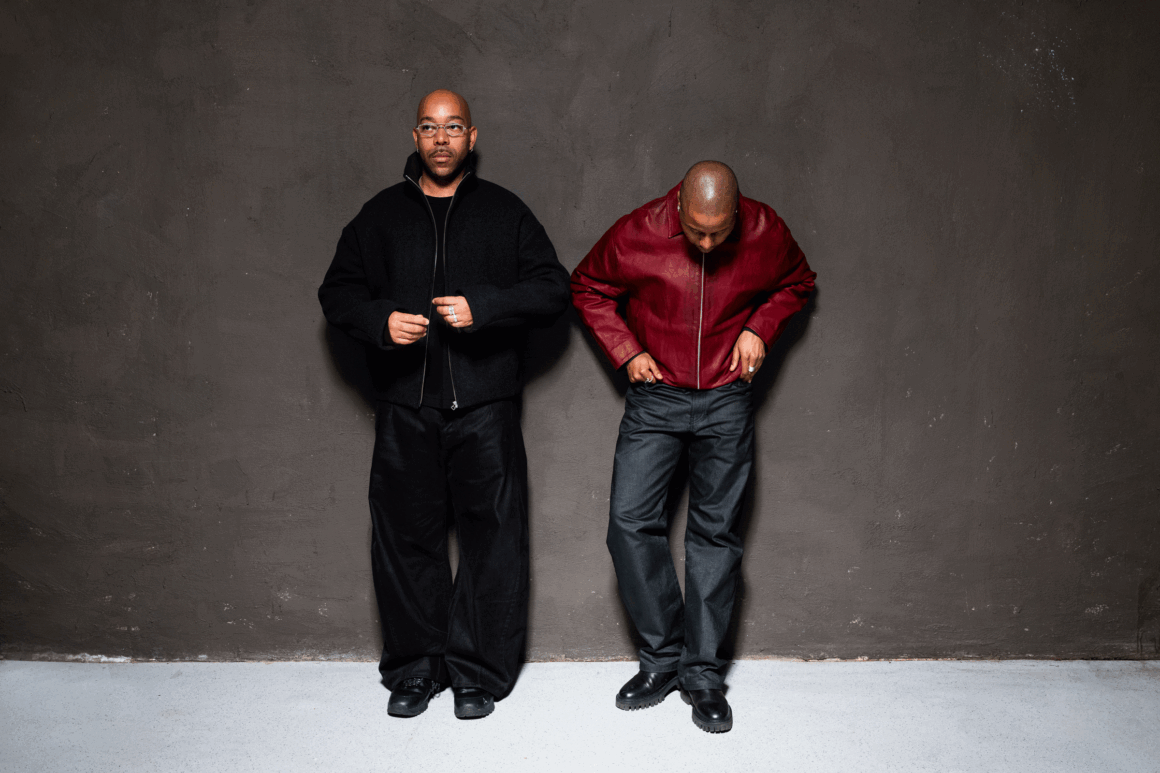
Quiet Storm begins very quietly. Strings feel their way through the space. A brief gust of wind. Then the wordless soprano of Grammy-winning opera singer Axelle Fanyohin rises. During the eight-minute “Vanity”, you feel sheltered, yet at the same time a sense of quiet awe begins to take hold. Something is brewing. Unease, calm? Perhaps. A storm? Definitely.
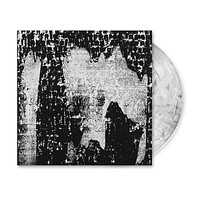
Joshua Tarelle Reid and Joshua Inyang grew up in the Black working class of northern England, grey and industrial. The architecture of their hometown Manchester, the rain and the sense of isolation during long winters shaped their aesthetic outlook from an early age. Inspired by minimalist dub-techno from Berlin, they eventually began producing their own music. With Above The Concrete / Below The Concrete, an album released on cassette, they initially captured the grey industrial surroundings beneath a veil of minimalist dub-techno. From these beginnings, they quickly developed their own fragmented style, transforming field recordings into electronic spaces in between.
Manchester is more than just a grey backdrop. The city flows through the sound of Space Afrika. The textures of their ambient and dub-techno compositions are rough, foggy, grim. Everyday sounds such as passing trains, rushing wind and voices seep into this reality.
Theatrical ambient
On Quiet Storm, these fragments, familiar from earlier releases, are embedded in more expansive and fully developed arrangements. Collaborators from rap, classical music and experimental electronics merge their personal experiences with this minimalist, ghostly ambient-club construct. With other voices, their music becomes more personal. “Other people are a mirror of ourselves”, they explain in conversation.
“There is so much life to live.”
Space Afrika
It is an album with a theatrical instinct. It moves like an ongoing dialogue, not only between the musicians but also between opposites: the calm. The storm. Vanessa Bedoret cuts through thunder on “Crying never had a voice ~”, while Danish singer Alto Aria floats gently above saxophone, cello and piano on “A Heart of Knowing”. On “Validation”, harp notes meet familiar urban sounds and a deeply personal story about validation and recognition. Kiala Ogawa’s soft vocals drape themselves over the music like a velvet cloak on “Pretty Gospel”.
“MLN” gains substance, the snare thundering into a slow march reminiscent of Denmark’s contemporary alt-pop scene. Above it, Tony Njoku’s distorted falsetto pleads. It sounds like exhaustion, like a longing to be caught and held. Only weeks after the recording did Reid and Inyang recognise their own experiences in his lyrics. Quiet Storm ends with rain, organs, drones and the irregular sound of a gun being reloaded, always embedded in an otherwise quiet hum.
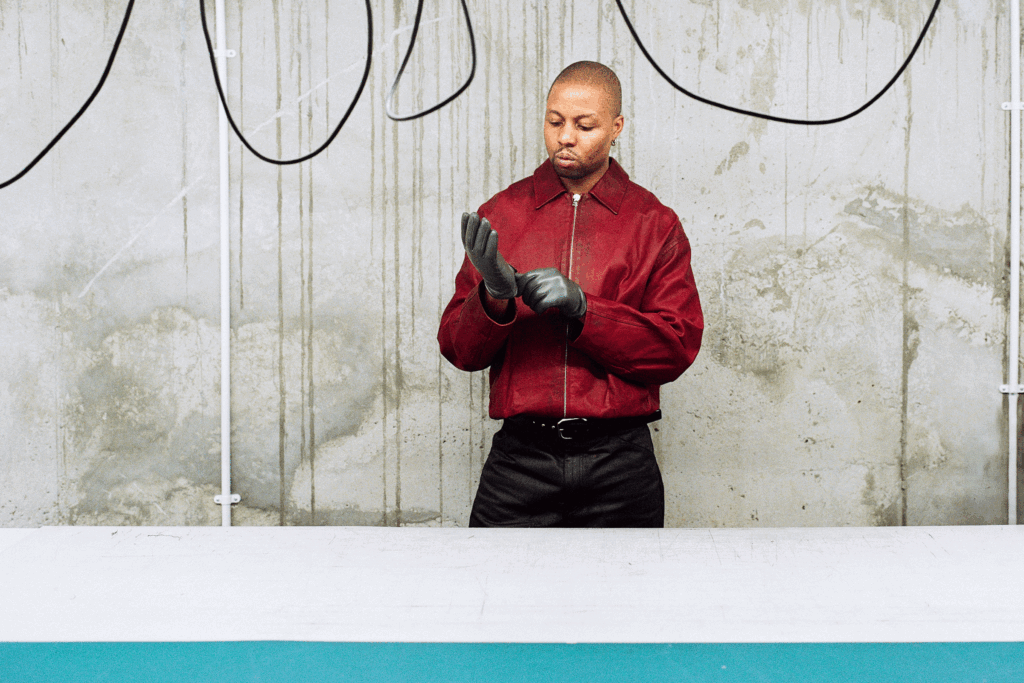
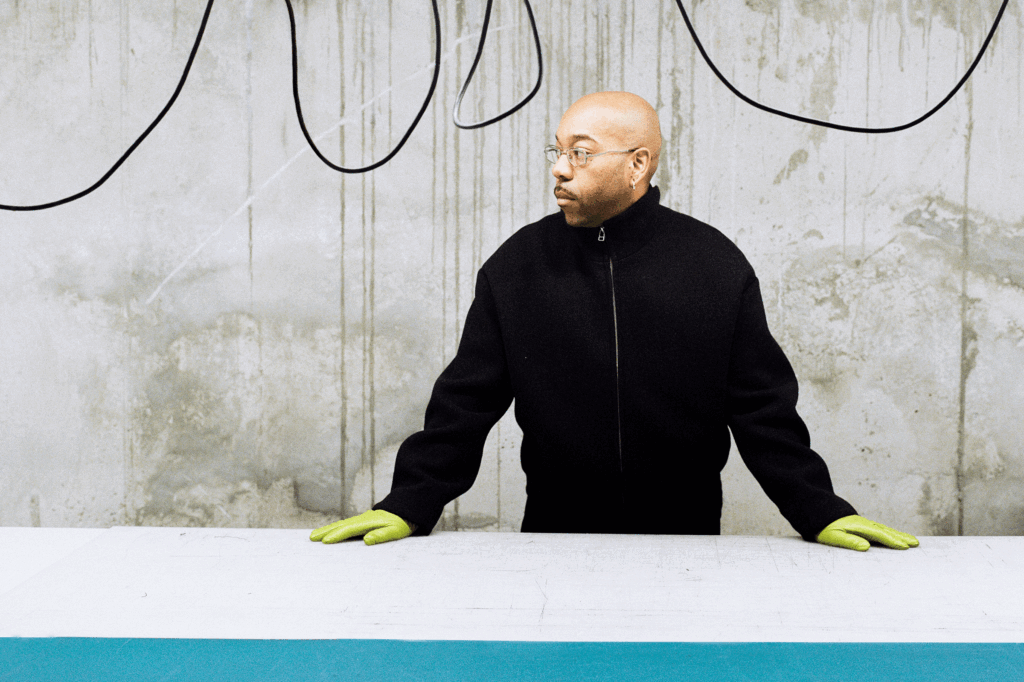
It seems almost inevitable that Space Afrika have brought Quiet Storm to the stage. As early as the summer, ahead of the release, the duo were experimenting with different forms of performance, presenting individual parts of the album or bringing in a changing cast of collaborators. “On the bigger stages, we really feel we can communicate the emotions directly. We’ve never felt that we’ve reached a limit within ourselves or our work. Nor do we believe we’ve already achieved or expressed everything we want and need to say. That’s very exciting.”
This storm is not over yet. Or, as the two put it: “There is so much life to live.” And where there is still so much life to be lived, there will be plenty more stories to tell. Space Afrika have found their voice. Calm? Certainly not.