East Germany, late 1960s: it would be difficult to claim that a stage for soul already existed. There was no free market for record production, no clubs devoted to the genre. Nor were there GI discos of the kind that, in the West, helped channel sounds from the United States into local scenes. And yet – or perhaps because of this – a unique variant of soul emerged in the GDR.
The initial impulse can be traced to the ban on many beat bands. The SED regime suppressed a movement that saw anti-authoritarian role models in bands such as the Rolling Stones. In the aftermath, young musicians sought new forms of expression – more emotional, more direct, less restrained. They found them on smuggled records. In soul. With its roots in African American music of emancipation, it offered a language that did not require translation yet was understood. It permitted what had little space within the official cultural sphere of the GDR: fervour, physicality – ultimately, fractures within social and artistic norms, even under state-ideological constraints.
In East Berlin, a small, defiant scene began to form.
No One Set Out to Found a Soul Band
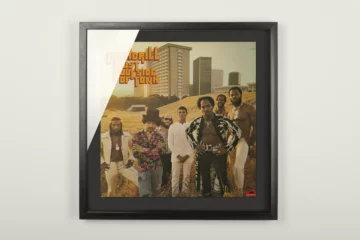
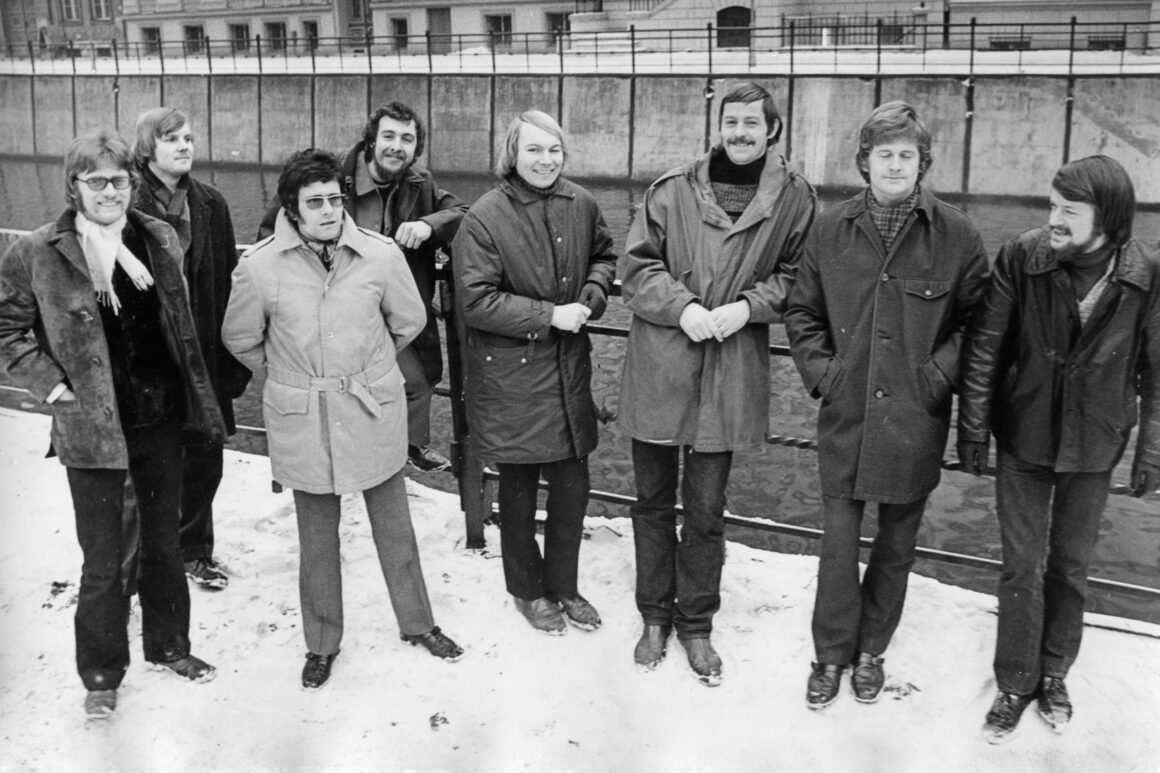
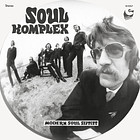
At its centre: the Modern Soul Septett, later known as the Modern Soul Band.
In 1968, the beat group Musik Stromers was confronted with a performance ban. Without it, the Modern Soul Septett might never have been founded. Its initiator, Hugo Laartz, only appeared to withdraw – in fact, he regrouped. At the Jugendklub Freundschaft in Friedrichshain, one of the most vital enclaves of East Berlin’s subculture, he brought together musicians, jazz students and African fellow students. Within this melting pot, a sound emerged that resisted any template of conformity: raw, groove-driven, self-assured.
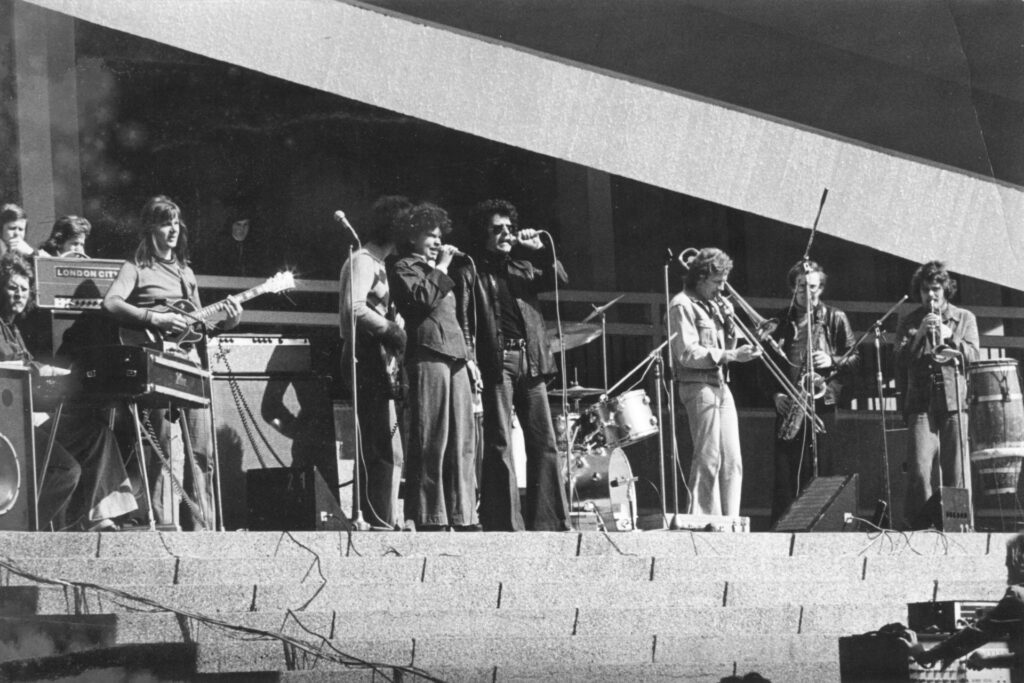
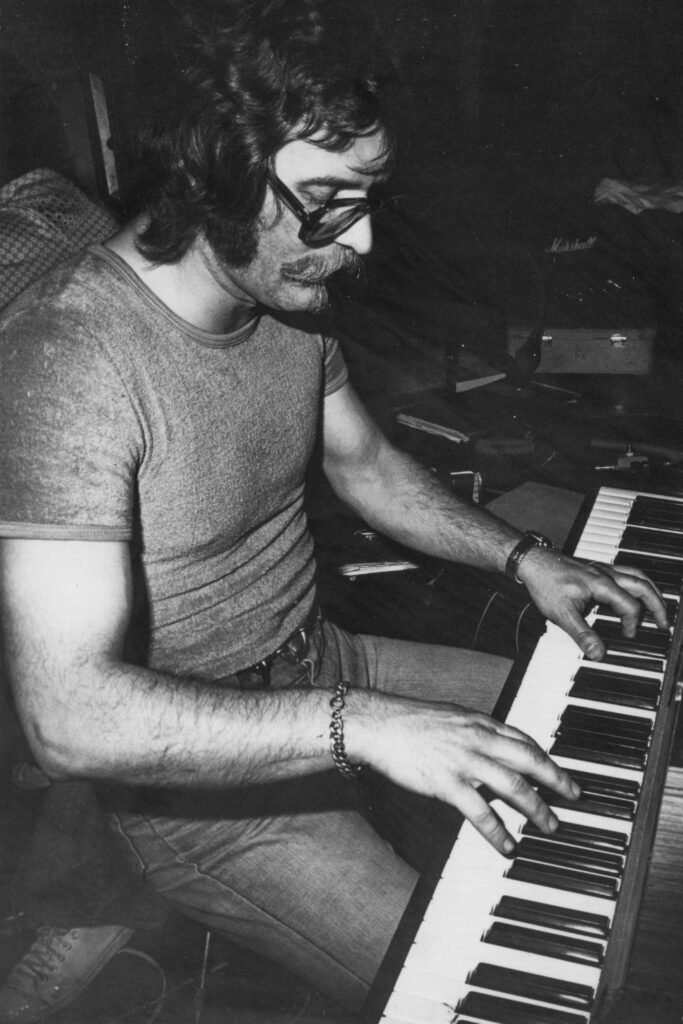

With Klaus Nowodworski, the band found its voice. His rough, blues-inflected vocals lent East German soul a distinct timbre – too distinct for a commercial breakthrough. The state label Amiga accepted only two tracks – »Unsere Stadt« and »So muss es sein« – leaving other works unreleased. Yet in youth clubs and provincial halls, this music became an event.
It is precisely in its resistance to the smooth, the indistinct, the official that the core of this sound resides. East German soul was a gesture of self-empowerment. »Dein Lächeln« offers a telling example: composed by Ulrich Gumpert and originally recorded with singer, actor and musical star Reiner Schöne for the Klaus Lenz Orchestra, it was rejected by Amiga – because Schöne had fled to West Berlin. Hugo Laartz and the Modern Soul Septett took up the piece and sharpened it with raw funk.
This music became a sensation in youth clubs and provincial halls.
By the mid-1970s, the band moved towards jazz rock. In 1976, it released a live album. Recorded in Gotha, the LP is still regarded, in its unpolished directness, as a document of an autonomous East German musical language.
The »rough soul of the East« was not oppositional in a narrow sense – there were no slogans, and lyrics required approval by official editors – yet its mere existence constituted an act of resistance. This music asserted the right to emotion within a system that sought to regulate feeling, at least in political and moral terms.