Things were going well for the Western world in the 1990s. The Cold War had ended, economies were booming, the mood was celebratory—and the music industry was thriving. The CD became the driving force of massive growth, while the mainstream opened up to so-called alternative music. Before this background, the Dutch indie distributor and label Konkurrent—home to the anarchic Amsterdam art punks The Ex and a slew of international hardcore groups—had a simple idea with far-reaching consequences.
In 1996, legendary Canadian jazzcore band Nomeansno made a short stop during its first European tour. In two days, they recorded five songs at the Koeienverhuurbedrijf studio in Amsterdam. The resulting EP, first released in 1996 by the Belgian label Atomic on vinyl and a year later by Konkurrent on CD, was a relatively straightforward affair: With the exception of »You’re Not One« and a cover of The Residents’ »Would We Be Alive?,« these were just new versions of old songs for a quick, inexpensive release in a booming market.

Yet, the EP marked the starting point for one of the most seminal und unconventional indie record series of the 1990s and 2000s. As the title »In the Fishtank 1« already indicated, Konkurrent were planning to invite more bands and artists into the fold. 1997 saw the release of US indie rock band Guv’ner’s contribution, followed the next year by four dub monsters courtesy of The Tassilli Players and nine cuts of Snuff’s high-velocity ska punk. Though this was a wild stylistic mix, it was not enough to go down in music history—yet.
A sadcore brass section?
For the bands and artists involved, the advantage was obvious: kill some time during a tour, record some songs for free, walk away with a release that you can sell. What the audience got in return was slightly less enticing: off-the-cuff recordings, mostly old material or cover versions. This changed with »In the Fishtank 5,« a collaboration between Chicagoan post-rock icons Tortoise and The Ex. There is an argument to be made that the former’s cool grooves and the latter’s fiery improv energy didn’t mix well. But the result was special.
Konkurrent doubled down on this approach. Among others, in the following years the label brought together sadcore darlings Low with post-rockers Dirty Three, Motorpsycho with the brass section of IDM/jazz hybrid Jaga Jazzist, post-metallers Isis with Glaswegians Aereogramme, and finally singer/songwriter Sparklehorse with drone guitarist Fennesz for the series’ last edition in 2009. Teaming up with Sonic Youth and the Instant Composers Pool in 2002 for the series’ ninth entry, The Ex even recorded two sessions.
…various bands who went into the studio without much preparation and often had no clear idea of what would emerge during the sessions, which were at times entirely improvised.
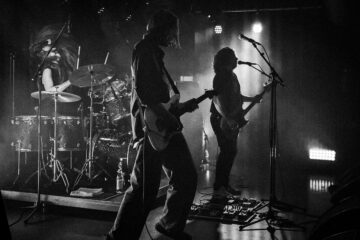
After its unspectacular start, the »In the Fishtank« series became a growing archive of one-of-a-kind meetings between established artists and bands, yielding sometimes unexpected results thanks to recording engineer and producer Zlatan Hadžić, responsible for most of the later instalments. He managed to capture truly outstanding moments: different bands entering the studio together with little to no preparation and often no clear plan of what would emerge from the sessions that occasionally were fully improvised.
Recording an »In the Fishtank« session became somewhat of a milestone for many artists, though apparently not all of them saw the light of day—according to a 2003 entry on the website of Jason Molina, his Songs: Ohia had entered the studio on their own during a European tour and were expecting a release »at some point in the future.« It never materialised, and it is unclear how many of such sessions never saw the light of day before Sparklehorse and Fennesz’ released the series’ last instalment in 2009.
In The Fishtank 15 Turquoise Vinyl Edition
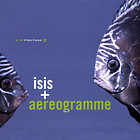
In The Fishtank 14
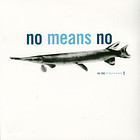
In The Fishtank
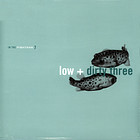
In The Fishtank 7
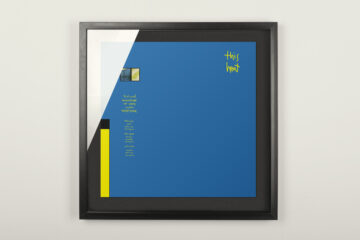
It also isn’t clear why Konkurrent stopped producing the »In the Fishtank« records at the end of the 2000s, though financial aspects might have played a role—after all, this wasn’t the 1990s anymore. What is certain, though, is that some of the recordings and especially the collaborations have become truly iconic in their own right. In the early 2010s, Konkurrent—which as a label continues to issue the occasional record—started re-releasing some entries previously only available on CD on vinyl for the first time.
With their instantly recognisable artworks, these reissues introduce a new generation of listeners to the far-reaching consequences of a simple idea. And thus to some of the most exciting music made during the 1990s and 2000s.