

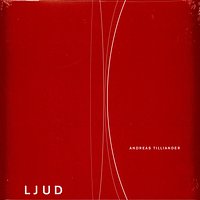
Some called it ‘Clicks & Cuts’, others ‘PowerBook music’, although that described only a small fraction of the new techniques. By the early 2000s, digital technology had not only become established in music production in general and in sound generation in particular, but had, above all, come into its own. Faster processors fostered new aesthetic approaches and enabled a fresh way of working with sound that sounded as elusive as it did contemporary. Andreas Tilliander? He was right in the thick of it; the re-release of his album on Mille Plateaux was long overdue. For even back then, Tilliander had already found his very own language within the digital realm.
On Ljud, the Swede is right up close to the dancefloor – and, in doing so, stands somewhat apart from the prevailing attitude of the time. Despite all the noise-like abstraction and reduction that trickles through the tracks like acid rain, despite the noisy beat fragments whose internal arm-wrestling contest is never truly decided, something familiar always shimmers in the depths of the tracks. Soft chords and pads, reminiscent of the big bang of dance music. This makes Ljud not merely a collection of interpretations of the past, but a gateway into the world of micro-sampling. The best bit? Even today, 25 years later, the album continues to orchestrate the future. Not a single bit has lost any of its fascination. That’s quite an achievement.
Ljud

