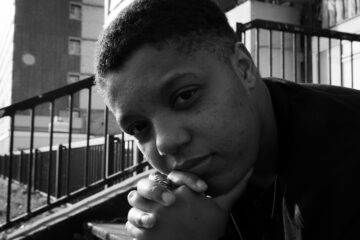
On B. Chamber (Stratum A), his first solo LP, Brian Close works across three levels: modelled sounds of acoustic instruments, natural environments and explicitly »inhuman« sounds. At times, these levels dissolve into one another – emulsion. At others, they remain held in suspension. Not dialectics – alchemy. In the end, Close says, sound is »a lot closer to magic«.
B. Chamber (Stratum A) functions like science fiction: nature, human being, technology – three levels that Close does not resolve, but keeps suspended. The result is neither realism nor abstraction, but speculation. This is how music might sound. In 2012, Close experienced an iboga ceremony of the Fang people in Gabon: jaw harp players in the treetops, whose sound he describes as »futuristic metallic resonances«. »In electronic music, we have formant filters«, he says in the interview. »In Gabon, it existed with Mougongo, carved from a tree, and resonating at the back of throat like overtone singers.« The futuristic has always already been there.
The first cut
Close, born in 1979 on Staten Island and now based in Los Angeles, is one half of the duo Georgia, known for releases on Palto Flats, Meakusma and OOH-Sounds. Georgia thrives on friction: two artistic poles, Brian Close and Justin Tripp, who do not dissolve into one another but overlap productively. In his solo work, Close condenses that tension differently. Less dialogue. More total immersion. A closed system.
Related reviews

The material was created between 2021 and 2025 on a farm in Connecticut, where he retreated from New York at the beginning of the pandemic. There he worked daily with several set-up sound stations – an intensive machine practice, with the rural environment acting as a space of contrast and resonance. Trains, sirens, human noise. For Close, composing music in the city had often been reactive, a form of therapy.
In the countryside, that changed: »Making music in the country for me meant making things I really needed, really wanted to see in my life«. Thirteen hours of music were produced. The title is programme: stratum – layers deposited over years, until someone begins to excavate them. B. Chamber (Stratum A) is the first cut; Stratum B follows in summer 2026.
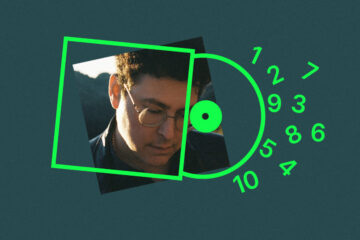
Top 10
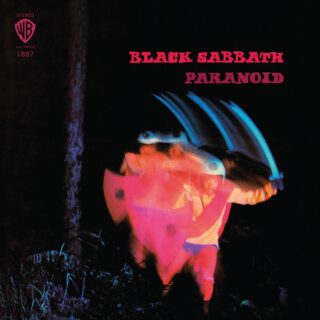
Brian Close: This is the first album I ever heard. My dad had stacks of records in the basement, I still remember on my own putting this on, I was like 5 or 6! And instantly being thrown into a fantasy trance, seeing armies of orcs and trolls battling on a dystopian landscape.
Redaktion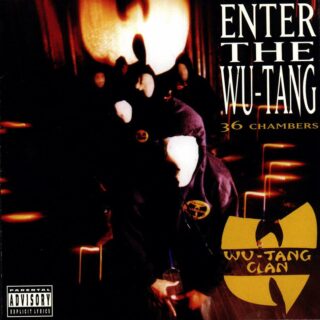
Brian Close: I was born in Staten Island, but grew up in the suburbs of New Jersey. When this album came out, I was in high school – I went to an all-boys Catholic school. This, plus hardcore, punk and metal, was fundamental to my need to rebel. It instilled in me a belief that environmental textures and spirit can be transmitted by sound. And the group dynamic here – individual releases plus group releases, Voltron-esque – was something I always loved. Around the same time, I started a hardcore band in New Jersey called SELF BORN.
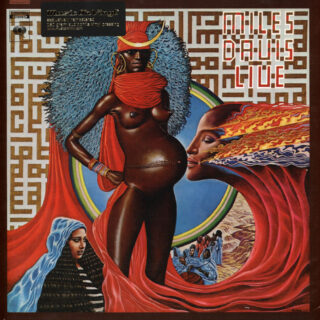
Brian Close: In high school I also got into really smooth adult contemporary jazz – Kind of Blue was my favourite Miles Davis album. It was not until after college, and after bailing from my first successful design company, that I found this record, which completely blew my mind. From the artwork to the palindromic title – I was in my psychedelic phase, but also in my “shit better change because shit is not good out here” phase, and boy, this really stirred the pot.
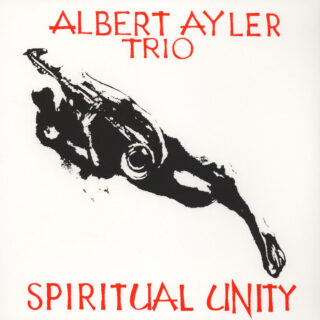
Brian Close: I called him Uncle Albert. When I found this music, I was about 22 and tripping all day, walking around with a notebook and writing poetry. I listened to this on repeat and thought: this is how the world sounds. Complete free flow. My friend Pete told me Yoko Ono said that music should be two things – synaesthetic and illegal, or something like that. This checked the boxes.
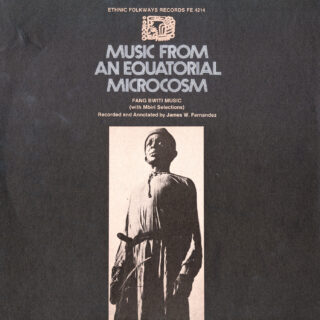
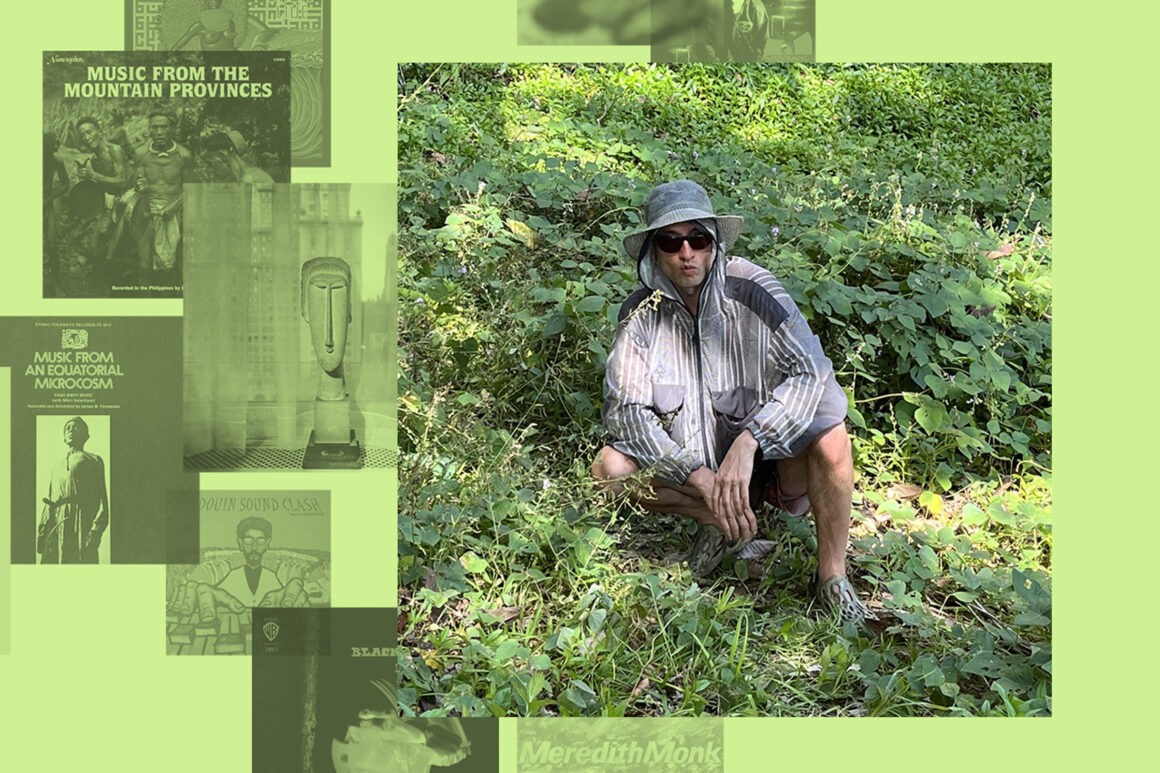
Brian Close: In 2012, I went to Gabon and experienced an iboga ceremony with a Fang tribe. This ritual music is maybe the most influential sound and moment in my life. This archive, which I found afterwards, came closest to the sounds that I experienced. I will never forget the futuristic metallic resonances of multiple mougongo players sitting in treetops playing while I woke. Bassé!
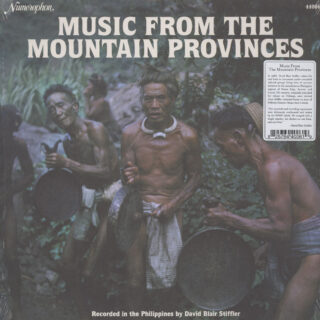
Brian Close: I’m half Filipino, and although I was raised with Filipino culture intentionally masked from my mind, somehow I always resonated with the roots of that culture. This album felt ancestrally linked to me, and I love it.
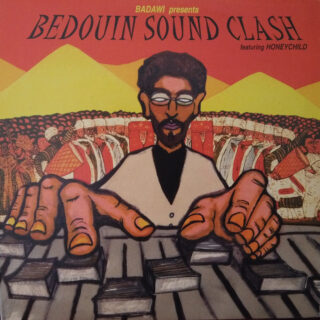
Brian Close: I feel so lucky to have met this guy – he taught me Ableton. I will never forget him showing up and showing me how to sequence in Ableton as if it were a real living drum. Raz mixed an album for Georgia, Time. From Bedouin Sound Clash to Badawi to Sub Dub, he is a major inspiration to me. Prolific volume, ultimate respect.
Brian Close: When I started my career in motion graphics, I was working at Viacom / VH1 – music first – making on-screen graphics, anything moving on TV that was not footage. I bunkered down in a dark room in the middle of Times Square for like 12 hours a day – I slept there sometimes. This album was always looping on CD, played by KEE KOO, a friend of mine, and it really impacted my brain. At the same time, I was obsessed with Ryoji Ikeda. This wave of minimalism really smacked me.
Sebastian Hinz Redaktion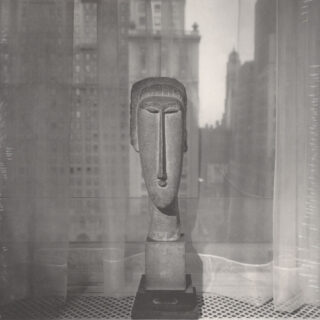
Brian Close: Around 2020, my wife was cooking at a friend’s house in New York City. She was making vegetable gyoza. There was a mistake with the wrapper, and somehow she managed to make my favourite gyoza I ever had, using wonton skins, tahini, chilli and maple syrup. The whole time she was cooking, I was sitting at a table, just me and Ryuichi Sakamoto, and he had this tiny Bluetooth speaker. He kept playing me this album. I had heard it many times at my studio, Georgia, but something touched me about him playing it to me. Hauntingly beautiful.
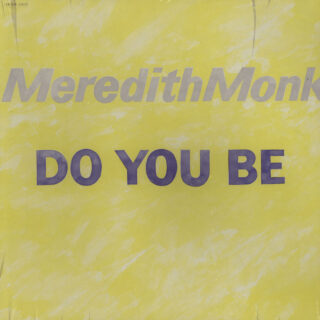
Brian Close: Voice as ultimate instrument! Another example of futuristic meets ancient. In 2016, I was lucky enough to be part of a collaboration with Meredith Monk and Threeasfour, along with Georgia – and Kiki Kudo performed percussion live too. I was tasked with collaging some of her tracks into an hour-long performance for a Threeasfour fashion show. This is my favourite album of hers.