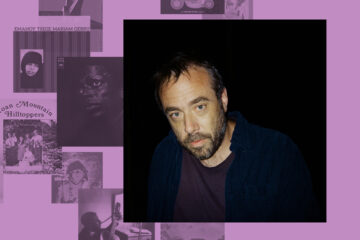
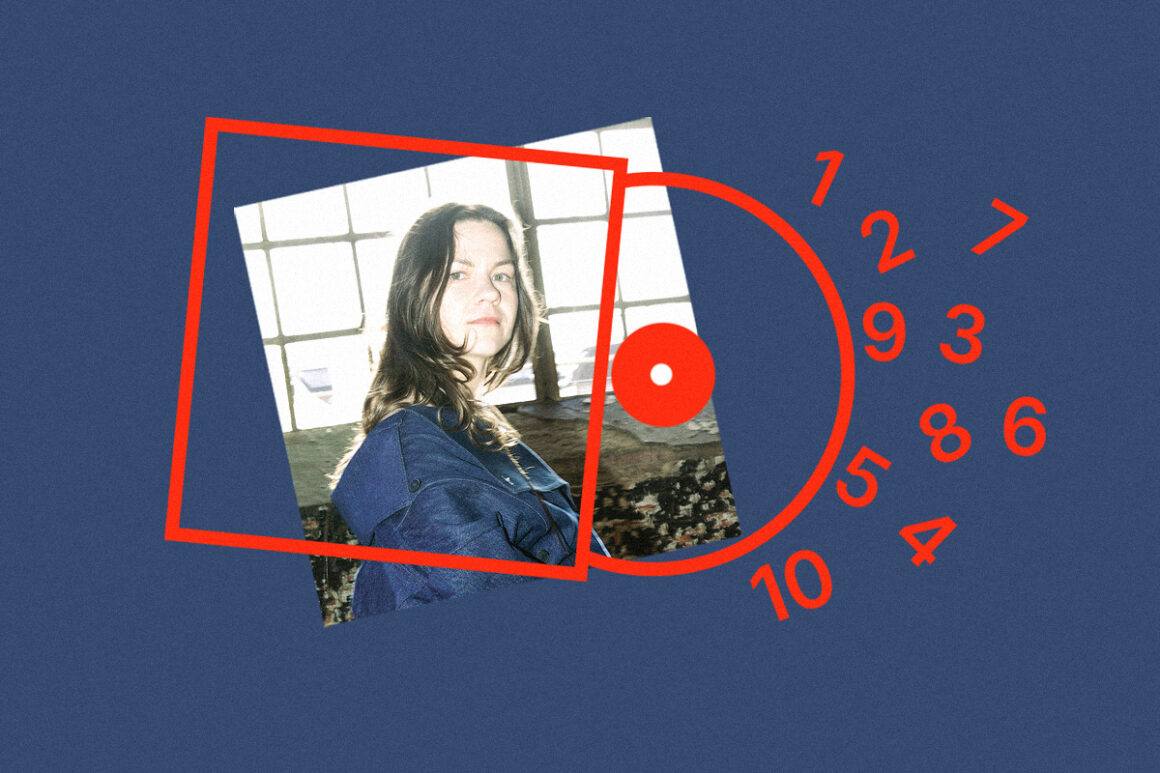
As a child, Elisabeth Klinck used to fish with her violin bow. She loosened the hairs until they came free and cast them into the vague. Her father, himself a violinist, practised scales every day – the only music she heard at home. Then came the conservatory, and the fishing stopped. Music became work, guilt, sacrifice. What she learned there she has been trying ever since to unlearn methodically. Or more precisely: to forget. To sink it into the body.

»I search for a way that my body and my brain become one«, she says in an interview. Communication, Klinck suggests, moves through vibrations, smells, the body – far more than through words. »But we kind of forgot this. We became uneasy with our bodies.« What she seeks, then, is precisely that: a transmission from body to body, from the stage into the auditorium. »The sound is the only thing that is there, and the space becomes the sound.«
»I just love the sound of silence. It makes new music in our brain«.
Elisabeth Klinck
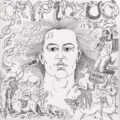
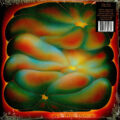
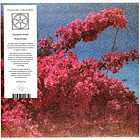
You can hear it. On Chronotopia (Hallow Ground, 2025), voice and violin, holding hands, feel their way into the unknown. With the Klinck Trio – her ensemble with Adia Vanheerentals and Maya Dhondt – this proximity becomes even more physical: the recordings on My Hair is Everywhere (VIERNULVIER, 2025) are so close that one hears pedal noises, breaths, the clicking of saxophone keys. The album begins directly with the end, the funeral march »Infinity Forever«, after which nuances are brought to life: the tingling in the fingertips (»Little Song«), the corner of the mouth twitching into a smile (»Flirting Around«).
Related reviews

Pioen (Blickwinkel, 2026), recorded with bassist Nils Vermeulen, likewise lives from the in-between. Pieces such as »Cocoon« emphasise pauses – not as absences but as places. For something stirs in the invisible. »I just love the sound of silence«, Klinck says. »It makes new music in our brain.« Silence as a compositional principle, and as a condition. For Elisabeth Klinck, unlearning means making space. Enough space for the mind, at last, to fall silent.
Top 10